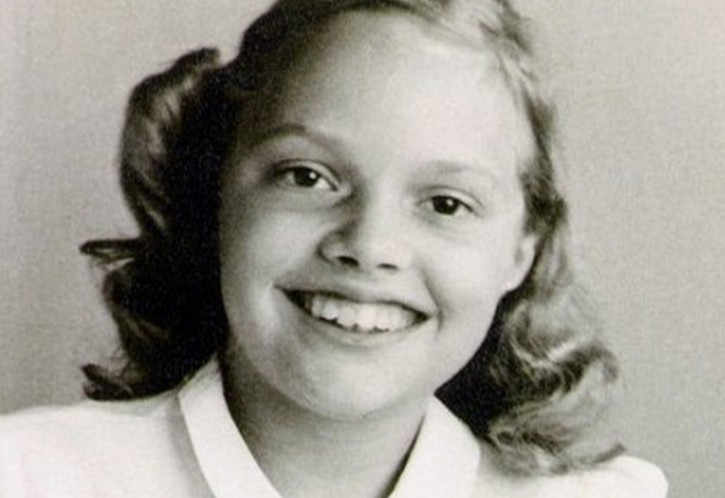
At first glance, she looked like any other little girl — bright eyes, blonde hair, a shy smile. But behind that innocent face hid a story so tragic, so cruel, that it would one day make her one of the most infamous women in America.
Her childhood was a chain of betrayals — by the people who should have loved her most. Every adult who entered her life seemed to leave behind another scar. Love, protection, and trust — she never truly knew any of them.
By the time she was a teenager, she was already living like a ghost — drifting through life, unwanted, unseen, and growing colder inside with every passing day.
Only later would the world learn her name.
She was born in 1956 in a quiet Michigan town. Her life began in chaos. When she was just four, her 20-year-old mother packed up and disappeared, leaving her and her brother behind. The woman would later admit it was probably “the biggest mistake” of her life.
Almost at the same time, the children’s father — imprisoned for the kidnapping and assault of a young girl — took his own life behind bars. From that moment, the orphans were handed over to their grandparents. But their new home was no refuge. The grandmother drank heavily; the grandfather was said to be violent, even predatory.
By thirteen, the girl was pregnant after an assault. Some whispered her own brother might have been the father, others claimed it was a friend of her grandfather. No one believed her. No police report was ever filed. She gave up the baby for adoption and soon after, both grandparents were gone — one dead, one by suicide.
Alone and broken, she fell into survival mode. At eleven, she had already begun trading her body at school for cigarettes, drugs, and food. She dropped out, lived on the streets, committed petty crimes. Arrests piled up — theft, assault, disorderly conduct — a rap sheet that seemed to mirror her descent.
By her mid-20s, she drifted to Florida. That’s where the darkness that had been brewing her whole life finally erupted. In 1989, a man was found dead in the woods near Daytona Beach, shot multiple times. Two weeks later, the police linked the murder to a hitchhiker seen nearby — a woman.
When they caught her, she confessed — not to one killing, but to several. One after another, men across central Florida were turning up dead.
She claimed she was defending herself — that every man had tried to assault her, that she had been fighting for her life. “I’m not a man-hater,” she said. “I’ve been through so many traumatic experiences that either I’m walking in shock or I’m just used to being treated like dirt.”
The prosecutors, however, saw no victim — only a predator. Seven men dead in a single year. The media branded her with a chilling title: America’s first female serial killer.
Her name was Aileen Wuornos — the “Damsel of Death.”
Her trial became a circus. Cameras, reporters, endless debates about guilt, trauma, and revenge. Wuornos insisted she’d acted in self-defense, but the jury saw cold-blooded murder. In 1992, she was sentenced to death.
Before her execution in 2002, she said quietly, almost defiantly:
“I would just like to say I’m sailing with the rock, and I’ll be back — like Independence Day, with Jesus. Big mother ship and all — I’ll be back.”